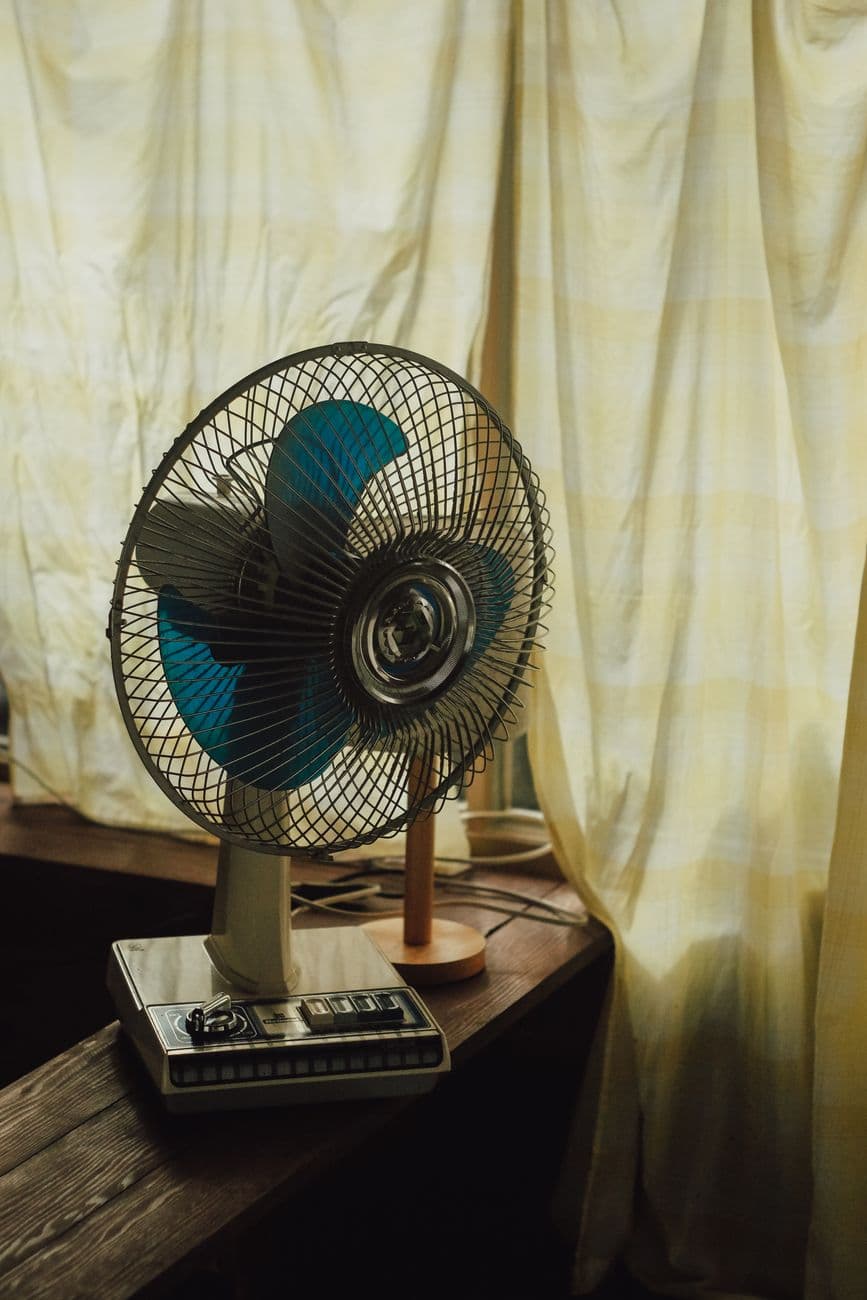
The same argument runs every summer in the host forums, and it never resolves. A guest arrives, discovers there is no air conditioning, and the stay goes downhill from there. The host points at the listing, where it says nothing about A/C because there is none. The guest points at the thermometer. Somebody leaves three stars.
Both sides think the other is being unreasonable. Neither is. The gap is in the buildings, not in the people.
One statistic explains most of the fight
The US Energy Information Administration's residential survey found that 88% of American households use air conditioning. The International Energy Agency puts the European figure at roughly a fifth of homes.
Read it from the guest's side for a moment. If nine out of ten homes you have ever entered were cooled, you do not think of A/C as an amenity any more than you think of running water as an amenity. You do not check for it, because it did not occur to you that it could be absent. Then you land in a top-floor flat in July.
Read it from the host's side and it is just as reasonable. Four fifths of the housing stock around you has no cooling either. Nobody you know has it. Installing it is not a weekend job.
Why the buildings actually differ
Three things, and none of them are about who wants comfort more.
The weather that shaped the housing stock has changed faster than the housing stock. Most European homes were built for a climate where a handful of uncomfortable nights a year was the worst case. Thick walls and shuttered windows handled it. That design logic held for a century and stopped holding recently.
Retrofitting is genuinely hard. Older buildings have solid walls with no cavity to run pipework through, windows that were never designed to take a unit, and neighbours who share the wall you would need to drill through. A system that drops into a modern timber-framed house becomes a structural conversation in a stone one.
Permission is a real constraint, not an excuse. In much of Europe the outdoor unit's size, whether you live in a flat or a house, and whether the building is listed or sits in a conservation area all determine whether you can install anything at all without consent. Plenty of hosts are not choosing to skip A/C. They are not allowed to fit it.
What you can actually do about it
You cannot change the building this week. You can change the expectation, which is where almost all of the review damage comes from.
Say it before they book, in the words they search with
The single highest-return fix is one line in your listing, written plainly, high enough that it is read before booking rather than discovered on arrival.
Something like this works better than a euphemism:
"This home has no air conditioning, which is standard for the area. It stays comfortable most of the year, but during a heatwave the upstairs bedroom gets warm in the late afternoon. We provide fans in every room and blackout blinds, and opening up after sunset cools the place quickly."
Three things are doing work there. It states the fact without apology. It tells the truth about the worst case instead of hiding it. And it shows you have a plan, which is what actually reassures people.
Send the same information again in your pre-arrival message. A guest who booked in February has forgotten what they read.
Spend a little, in this order
| What | Effort | What it changes |
|---|
| A good fan per bedroom | An afternoon | Moving air reads as several degrees cooler. The cheapest win available. |
| Blackout blinds or external shutters | A day | Keeping the sun out beats cooling the room down. External shading works far better than internal. |
| Written night-ventilation instructions | An hour | Guests often keep windows shut all day and open at midnight. Tell them to do the opposite. |
| A portable unit for the main bedroom | A purchase plus a plan | Helps, but needs a window kit, drainage and somewhere to store it. Check your building rules first. |
| Fitted split system | A project | Only after you have confirmed what consent your property needs. |
When the review lands anyway
It will sometimes. Reply publicly, once, without arguing. Confirm the fact, note what was provided, and leave it. Future guests read replies to judge the host, not to relitigate the stay. A calm reply that says the listing states there is no A/C, fans and blinds are provided, and you are sorry the heatwave made it uncomfortable does more for your next ten bookings than winning the argument would.
What you should not do is describe the guest as unreasonable in public. Every prospective guest reading that wonders what you would say about them.
The part hosts do not enjoy hearing
European summers are warming, and the housing stock is not keeping up. Each year, the share of guests for whom this is a dealbreaker gets a little larger, and the number of nights when your building is genuinely uncomfortable gets a little higher.
That does not mean everyone must install cooling. It does mean the honest calculation is changing. If your listing gets warm for three weeks a year and those three weeks are peak pricing, the cost of the equipment starts looking different from the way it looked five years ago. Run that number for your own property rather than defending the status quo on principle.
For how amenity expectations feed into ratings more broadly, see what the Superhost thresholds actually measure. If you are rewriting your listing anyway, the house manual is where the night-ventilation instructions belong.
Figures cited are national averages and vary widely by region and building type. Installation rules differ by country, city and property status, so confirm yours with the local authority before buying anything.
ⓒ EVERPICK — Unauthorized reproduction or redistribution of this article is prohibited. Please credit with a link when quoting.